
Tag Archive for: fundraising strategy

Corporate Charity Partnerships: Turning Challenges into Opportunities

If you’ve ever tried to build a corporate partnership, you’ll know it’s not always straightforward. It takes time, patience, and plenty of back-and-forth to find the right fit. But when it works, it can be a real game-changer for your charity — opening doors, raising your profile, and giving you the stability to plan for the future.


Why Corporate Partnerships Matter

Corporate partnerships can offer much more than money. Many companies share skills, encourage staff volunteering, or connect you to networks you might not otherwise reach. There’s a trust factor too — when a well-known company backs your cause, it signals to others that your charity is credible and well-run.

Long-term partnerships are especially valuable. They give you breathing space to plan ahead, grow your work, and make a lasting impact, instead of constantly chasing the next fundraiser. When looking for potential partners, fit matters more than the size of the donation — a company that genuinely shares your values will go further than a high-profile name with no real connection to your mission.


Common Challenges

Most charities encounter a few familiar hurdles when it comes to corporate partnerships. Mismatched expectations are one of the most common — businesses often want quick, visible results, while your charity is focused on long-term, systemic change. Clear and honest communication from the outset goes a long way in bridging that gap.

Capacity is another real challenge, particularly for smaller organisations. Managing a partnership well takes time and consistency — regular check-ins, reporting, and relationship-building all require genuine effort. It’s worth being realistic about what your team can take on before committing.

Mission drift is worth watching out for too. The desire to strengthen a partnership can sometimes pull a charity away from its core purpose. Good governance and transparency protect both your reputation and the trust your supporters have placed in you. Never compromise what you stand for, no matter how attractive the opportunity looks on paper.


Making Partnerships Work

Successful partnerships are built on honesty, shared values, and mutual benefit. Before any conversation, be clear about your charity’s goals and what you can genuinely offer a corporate partner in return. This clarity makes it far easier to identify whether a potential partner is the right fit — rather than spending months finding out the hard way.

Setting expectations early is equally important. Discuss timelines, reporting, and what success looks like for both sides. Treat it as a collaboration, not a transaction. The strongest partnerships are ones where both organisations come away feeling the relationship is worth their investment.

Think creatively about what value the partnership can add beyond a financial contribution. Skills-sharing initiatives, co-branded awareness campaigns, and employee engagement projects can strengthen both sides and deepen the relationship over time. The more value both parties find in the arrangement, the more durable it becomes.

Finally, keep communication consistent. Regular check-ins and small updates prevent misunderstandings from building up and keep both parties aligned. A partnership can drift quietly off course without either side noticing — until it’s too late to course-correct. Transparency and routine contact are what keep it on track.


Final Thoughts

For Irish charities, corporate partnerships aren’t just about funding — they’re an opportunity. Approach them with clarity, care, and confidence, and they can become long-lasting relationships that genuinely make a difference.

If your charity is thinking about building or refreshing its corporate partnerships, feel free to reach out to Denise Cranston at denise.cranston@2into3.com, to talk through how to get started, and what works in practice.


New Year, New Budget – What About Your Ambition?

As you turn your attention to annual budgets and work plans, it’s worth pausing to ask a bigger question – are you also making space for your ambition?

Building Philanthropy into Your Sport’s Funding Model

Philanthropy has long played a transformative role in sport internationally, enabling investment in athlete development, grassroots participation, and infrastructure that public funding alone cannot sustain. In Ireland, while our community support for sport runs deep, formalised philanthropic giving has been slower to develop. That is now changing. Recent tax incentives are creating the conditions for philanthropy to become a meaningful and sustainable income stream for Irish sport.


Earlier this month marked a significant moment in Irish sport’s pathway to philanthropy. The Irish Sailing Foundation revealed that 2025 saw it support the Irish Sailing Performance Pathway with €500,000 in philanthropic donations – representing 30% of the Pathway’s 2025 budget. The Foundation is now targeting €1 million in 2026, a success that has been a decade in the making. This was followed by the Olympic Federation of Ireland’s launch of the Team Ireland Foundation, with a view to securing philanthropic donations for Los Angeles 2028 and beyond. The Football Association of Ireland also announced the establishment of the Global Ireland Football Foundation, complete with an independent Chair and an experienced Director of Development.


Three sporting bodies. Three foundations. A clear focus on philanthropy.


At the Federation of Irish Sport Leaders Forum, 2into3 CEO Dennis O’Connor moderated a panel discussion on ‘Foundations as a Path to Structural Resilience’, exploring the practicalities and learnings from those who have already embarked on this journey.


James O’Callaghan, representing the Irish Sailing Foundation – established ten years ago – was emphatic about the value of independence. “Having a separate entity is best practice,” he explained. An independent entity allows the NGB to focus on its core work while the foundation builds long-term donor relationships. The Foundation initially had private support for specific campaigns, which ended once those campaigns concluded. Recognising this, they invested in a dedicated fundraiser who could nurture ongoing relationships with donors. Through their patron programme – seeking €50,000 per annum over five years – they targeted twelve supporters in year one and secured eight. “Spend the money to hire the right person,” O’Callaghan emphasised. Fundraising requires a particular skillset, and foundation boards are increasingly providing seed funding to invest in this capability, seeing it as essential to achieving returns on their philanthropic ambitions.


Currently, Type B and C NGBs, the Olympic Federation of Ireland, and Paralympics Ireland are already eligible for tax incentives that benefit donors. The Federation of Irish Sport is advocating for sport foundations to also be made eligible – a move that would recognise their role as independent entities that improve governance while unlocking new sources of philanthropic support.


Looking Ahead


With €1.82 billion in fundraised income across the Irish nonprofit sector in 2022, and per capita giving of €354, the philanthropic opportunity for sport is significant. The Giving Ireland 2024 research highlights Ireland’s strong culture of generosity – and the potential to channel more of that giving towards sporting development.


If your sport has an ambition to secure ongoing philanthropic donations, we welcome the opportunity to discuss how philanthropy could work for your organisation. Get in touch with Dennis O’Connor at dennis@2into3.com to explore this pathway in detail.

Philanthropy as a Catalyst for Inclusion in Sports

Importance of diversifying income streams for NGBs to ensure long-term sustainability and greater inclusion.

Building a Strategic Funding Foundation

For many organisations, the need for capital investment is ongoing. Yet behind every thriving community organisation lies a carefully balanced funding strategy.

2 Key Objectives for the Sector’s New Strategy – Funding and Governance

With the Government set to develop a successor to its current strategy for the sector, it’s timely to identify a few core objectives for inclusion.

Corporate Fundraisers Forum

Takeaways from our Corporate Fundraisers Forum

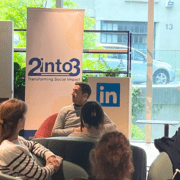
We were delighted to host our sixth and final Corporate Fundraisers Forum on Wednesday 12th June at LinkedIn Ireland. Our Head of Partnerships Advisory Practice, Denise Cranston, commenced the Corporate Fundraisers Forum  with The Wheel in February, which consisted of a monthly corporate partnership learning session. This forum connected 17 fundraisers from different nonprofits to discuss and develop their corporate partnerships action plan.


Opening address from Katrina Enros, Social Impact Manager at LinkedIn Ireland 

Katrina joined us to share the different ways LinkedIn supports nonprofit organisations. LinkedIn for Nonprofits provides free resources and discounted products to help nonprofits hire and develop talent, connect with potential donors, build professional networks, and spread the word about your mission to attract new supporters. See which resources may be useful for your nonprofit here: https://nonprofit.linkedin.com/.


Corporate Fundraisers Forum Breakout Groups 

Denise then welcomed all 17 attendees to their final session split them into groups of four to discuss their corporate fundraising action plans, their overarching goals and a number of specific objectives to achieve those goals. One person from each group then shared their learnings.

Group Feedback: Plans and Learnings

  • “As a small organisation with limited resources, it’s important to work smarter, not harder when it comes to developing new partnerships.”
  • “We are now looking at how we can amplify what we’re currently doing. Another key factor is to highlight where the corporate investment is going, providing an emotional connection to their investment.”
  • “People give to people – potential partners want to hear personable stories from the people they’re impacting directly.”
  • “It’s important to ensure we have a solid plan in place for where we can build new relationships – networking, local volunteer groups, or word-of-mouth.”
  • “We’re starting off by developing a specific top prospect list and prioritising those contacts first.”
  • “Secure sponsorships – either become a chosen charity partner or to partner on specific programmes.”


The breakout groups generated many ideas around how to start initial relationships with potential corporate partners, applying Denise’s tips from previous Corporate Fundraiser Forums to their action plan.

The attendees then took a short break so they could discuss their findings further, before heading into the final session.


Sinead Vaughan, Training Manager, The Wheel

Sinead joined the session to provide information on further training courses with The Wheel. The Wheel is Ireland’s national association of charities, community groups and social enterprises.

As a representative voice, they provide leadership to the charity and community sector and advocate on behalf of their growing community of members. As a supportive resource, they offer advice, training and other opportunities to people working or volunteering in the charity and community sector.


Concluding the Corporate Fundraisers Forum

Denise extended her thanks to the attendees and invited them to lunch, provided by LinkedIn Ireland. This in-person session was a fantastic way for the Corporate Fundraiser Forum participants to network in-person, share ideas and collaborate.

Are you interested in attending a Corporate Fundraisers Forum in future, or would like more information on developing a corporate partnership? Contact our Head of Partnerships Advisory Practice, Denise Cranston, at denise.cranston@2into3.com or on 086 085 5836.

Partnerships 2into3

6 Steps to Kickstart your Corporate Partnership

Getting started on your corporate partnership journey can seem daunting. It is important to step back and evaluate your goals, approach and realistic timelines so your entire team are on the same page. Here are 6 tips to kickstart your corporate partnership:

1. Be clear on your corporate partnership goal

If you are planning on building corporate partnerships for your charity, the first question to ask is “Why – what is your main goal for the partnership?”

The goal of a true partnership should be to help your charity achieve its purpose or mission. A corporate charity partnership should be mutually beneficial, based on a shared purpose, that could bring about real change and impact. The aim should not be about raising money. When you make your shared purpose your overarching goal, then the additional funding will follow.

2. Have a targeted and focused approach 

It’s important to choose business partners who are the right fit for your organisation. Corporates often look to choose charity partners who can help them achieve their strategic goals. As well as identifying a shared purpose, consider which brands might be interested in the audiences you serve.  Consider which corporates have challenges that you could help solve, such as strengthening their reputation, or engaging with their workforce. You should compile a targeted list of corporate partnerships (around 10 per fundraiser) to give you a good idea of where you should be focusing your attention. This will ensure that you can create a partnership that’s true to your cause and will stand the test of time. 

3. Secure a face-to-face meeting

If you want to build corporate partnerships, then it is essential that you meet with your prospects face-to-face, or online. Securing meetings is one of the most important steps, but also one of the most difficult. Find out if your trustees, colleagues, or friends and family have a warm contact in the company, as this will make it much easier to secure a meeting. If you don’t have a contact, then find the name of the person you want to meet and email them directly. Keep your email short and create interest by stating your shared purpose. 

4. Establish an equal relationship

Establishing an equal relationship on both sides is crucial when forming charity corporate partnerships. There is often a risk of imbalance, as the charity may feel like the company has the upper hand if they are providing funding, or expertise. 

Successful partnerships will recognise the different strengths that each party can bring to the table and how you can best compliment each other. By identifying how you will build a meaningful relationship from the outset, you’ll avoid any tension further down the line and both sides will reap the benefits. 

5. Be clear and realistic with each other

Be clear and realistic with each other about what you can and cannot commit to from the beginning, as this will help reduce the chances of an awkward conversation and any strain on your charity’s resources. Ensure you have regular communication to facilitate openness, so make sure you set up regular meetings to reinforce your alliance. 

It is also vital to make it as easy as possible for them to work with you. This involves reaching out to them with a project in mind to start with and being clear about what they’re going to get out of it – whether it’s brand awareness, goodwill, or staff satisfaction. You can also provide ideas of how to raise money and supply helpful resources to promote what activity they’re doing in partnership with you. 


6. Be willing to listen and adapt

It’s important to understand the partner that you’re working with. Your team can get together to brainstorm and come up with events that you think will work, but if you’re not willing to adapt the idea to the people that you’re partnering with, you’re creating a huge block. Of course, you will have ideas of what you want to do, but must accept their input, as they know their audience best. Don’t forget to listen openly to your partners. 


Corporate partnerships are a great way of securing regular giving, but take care to provide regular updates of how the partnership is impacting your beneficiaries and helping you further your mission. The magic truly happens when a charity and corporate partnership go beyond a transactional donor recipient relationship to boost each other’s popularity and brand awareness.

Interested in learning more?

If you’re interested in finding out how we can help you to build successful corporate partnerships for your charity, then register for our Masterclass here. If you have any further questions, please get in touch with our Head of Partnerships Advisory Practice, Denise Cranston.


Partnerships 2into3 team building

5 Ways to Create a High Performing Partnerships Team

When commencing the planning process for a strategic corporate partnership, it is crucial to create a partnership culture within your organisation. Including other team members in the process will help work towards your partnership vision, empower new ideas and encourage shared resources. Furthermore, placing the right people in your partnerships team will create a broader reach, ultimately attracting more donors and funding to your cause.

1. Create an internal partnerships culture 

When recruiting and building your internal partnerships team, remember that those with a shared vision will work best together. Therefore, it’s vital that you connect your colleagues to the end product of what you are aiming to achieve — make sure they see your vision. Commonalities bring teams together, so try to find those who are passionate about what you are proposing.

Ensure you delegate roles and responsibilities to each team member, so they understand their input. This presents an opportunity to play to people’s strengths. For example, if an individual has marketing experience, you could provide the opportunity to create a cause-related marketing plan. Delegating individual tasks will create a feeling of ownership, which will maintain enthusiasm and determination. Ensure you provide clear expectations when delegating and introducing new tasks.

2. Allocate brainstorming time

Set up regular meetings with your partnerships team to understand their priorities and agree ways of working together. Provide opportunities for their input, as this will help spark new ideas. People find passion in what they create, so ensure you create a space that allows creativity to flow between all individuals.

It is good practice to receive input from colleagues before making decisions, as part of a habitual process in the workplace. When problems arise, avoid enforcing a plan for your team. Instead, ask for their potential solutions to ensure they remain a crucial part of the process. By empowering your team members, it instils their confidence to think critically and make their own decisions.


3. Invest in your team

Investing in your team means investing in your mission. The mission follows the team; if the team is working well, then the mission will be fulfilled. Help connect your team with the overall mission and what their work will achieve. Just as you will want to frame the impact to donors about what their funding and support will achieve, making the connection for the partnerships team will help them stay motivated throughout the process. They are the ones making this possible.

4. Provide support and encouragement

Employees appreciate support, encouragement, explanation and guidance. Therefore, it is important to continually provide guidance at each step of your partnership process. Strive to understand each individual’s strengths and weaknesses on your team. Foster their failures and celebrate their successes — in a team, they are everyone’s failures and successes. Take the time to truly get to know your team, get a sense of what they enjoy, what they’re good at and what motivates them.

Furthermore, it is important to encourage each member of your team to set tangible goals with timelines. There is a significant difference between “do outreach” and “reach out to 15 people this week to ask them to support the initiative”. By creating concrete action items, team members will be accountable for their contributions. A great way to set goals is to make sure they are SMART: Specific, Measurable, Achievable, Relevant, and Timely.

5. Evaluate

Constructive criticism can be a positive learning opportunity for any high performing team. Evaluation provides an opportunity to identify where we can improve and reflect on what we are doing well. Providing feedback in an empathetic manner that considers employees’ needs is extremely important.

Furthermore, evaluation is a balancing act. Try to set high expectations that stretch people outside of their comfort zone, but not so high that they are discouraged and defeated.


Conclusion

Hopefully by following these 5 suggestions, your organisation will be on the way to creating a high performing partnerships team. It is important to recognise that everyone has different capabilities, attitudes, and personal goals. Therefore, expectations should be set on an individual basis. Remember that collaboration and shared visions are necessary, so remember to highlight your organisation’s vision, facilitate team bonding opportunities and ask for feedback on how to improve the team.


Contact Us

If your organisation is considering a strategic partnership, contact Denise Cranston, Head of Partnerships Advisory Practice, 2into3. More information here.

Social Impact S in ESG Partnerships Practice

4 Key Ways Corporates Can Maximise the ‘S’ in ESG

Environmental, Social, Governance (ESG) is a framework designed to be embedded into an organisation’s strategy. As stakeholder attitudes develop over time, adopting and abiding by such principles is becoming a key consideration for corporates. With social value becoming an increasing part of organisations’ ‘licence to operate’, corporates are beginning to look at the ‘S’ as a means of maximising social impact.

The ‘S’ element within the ESG framework is challenging for businesses. The scale and breadth of social issues makes it more difficult to define than environmental and governance issues, leaving many companies confused on where to focus their social efforts.

Creating a charity and corporate partnership is one key strategy for maximising the ‘S’ in your ESG framework. However, there are also other approaches to consider.


Key Approaches to Maximise ‘S’ in ESG


Identify social impact issues your business is uniquely poisitioned to improve

Identify which potential issues your organisation is uniquely positioned to tackle, considering the resources your corporation has access to. Dedicate your organisation to those specific social issue(s) publicly in your external communications. Ensure your board, staff and partners know exactly what issues you’re working on and what you’re doing to help tackle the issue. This will ensure that all stakeholders are aware of the social issues you are trying to achieve.


Avoid being all-encompassing

No organisation can work on every social issue effectively. It’s unlikely that your business will have the expertise to position yourself externally as solely specialising in an entire social area. Working on complex issues requires collaborative partnerships, with each partner playing a distinct role. Therefore, clearly identifying the exact social impact issue(s) you are working towards will make it easier for investors to understand the ‘S’ in your ESG. This will increase investment potential, and improve your chances of further charity partnership opportunities.


Measure your progress

Identifying the correct social strategy within your ESG framework will take time to consider, develop and flourish. Your organisation may not have all the answers initially and it can take years to demonstrate results. Therefore, it is extremely important to invest in measuring your social impact. This will help identify which strategies are working well and need further development, and which ones need revised entirely within your ESG framework.


Seek partnernerships with diverse groups

Partnering with groups that share your purpose and commitment to advancing social impact will complement and accelerate your work. Ensure that inclusion remains a core component in your efforts, such as intentionally partnering with diverse groups and encouraging a wide range of voices, including stakeholders who are most impacted by the issue.


Identifying and developing the ‘S’ in your ESG can seem daunting. However, it is extremely important, not only for your organisation, but to help tackle greater social issues and create improved communities. By following these steps, we hope you can maximise the social element of your ESG.


Contact Our Partnerships Practice

If you are interested in developing your social impact, gaining support with your ESG strategy, or are interested in learning more about developing charity partnerships, visit here or contact Denise Cranston, Head of Partnerships Advisory Practice.

Secret Link