€18.3 million for Clonmel, Malahide and Skerries: what the Towns and Cities Regeneration Investment Fund will change
–Hannah McLoughlin, Consultant
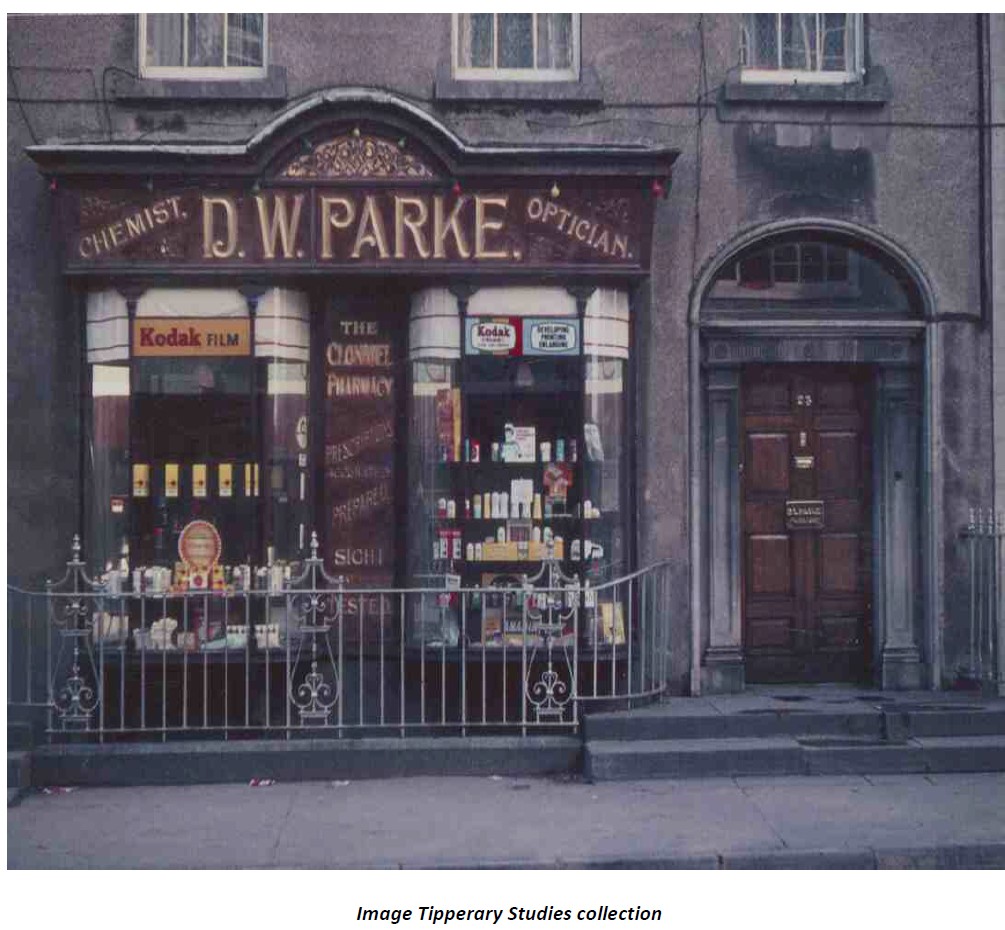
A shop that shut years ago but still has its sign up, cars parked along the path where people should be walking, and an old building everyone says is a shame, though nobody seems sure who owns it now. We all know a street like that, most Irish towns sadly have one somewhere.
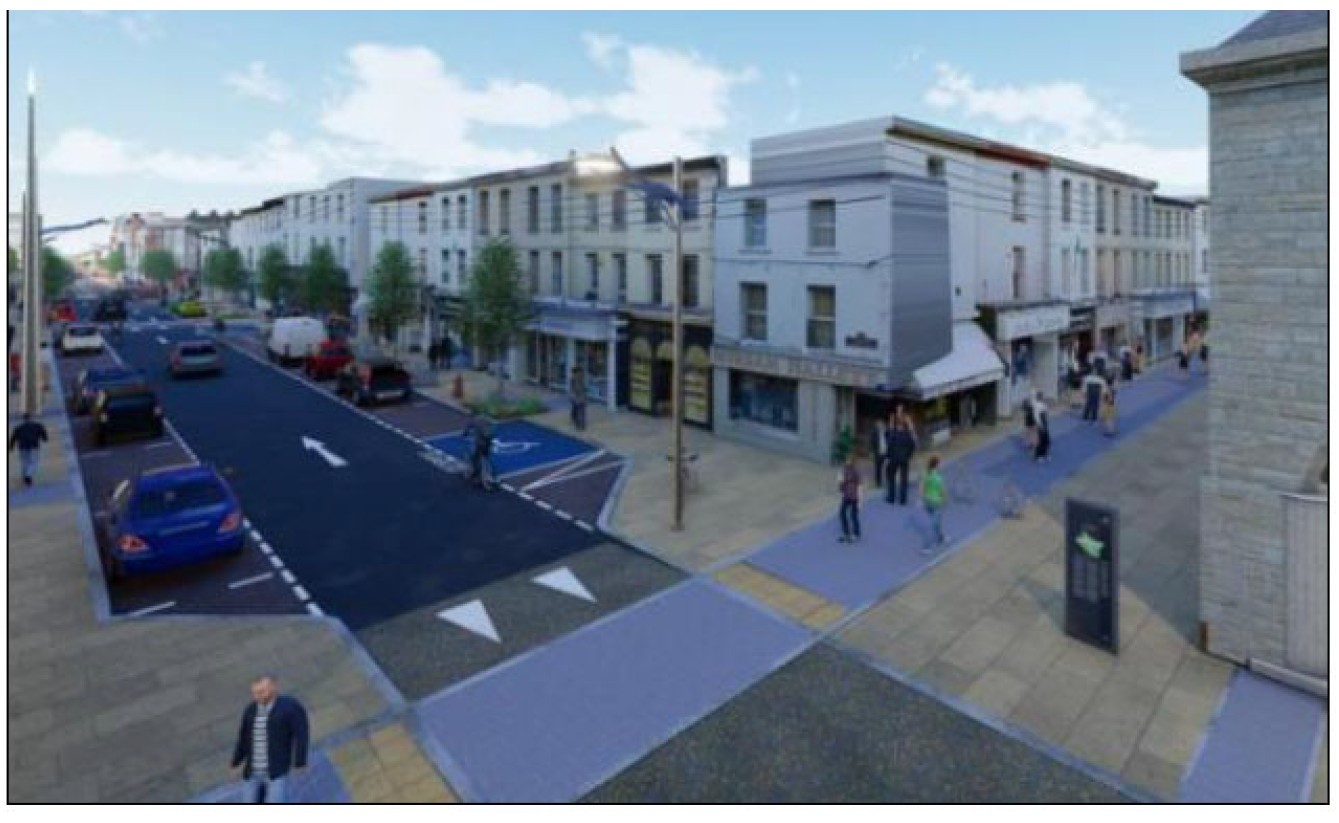
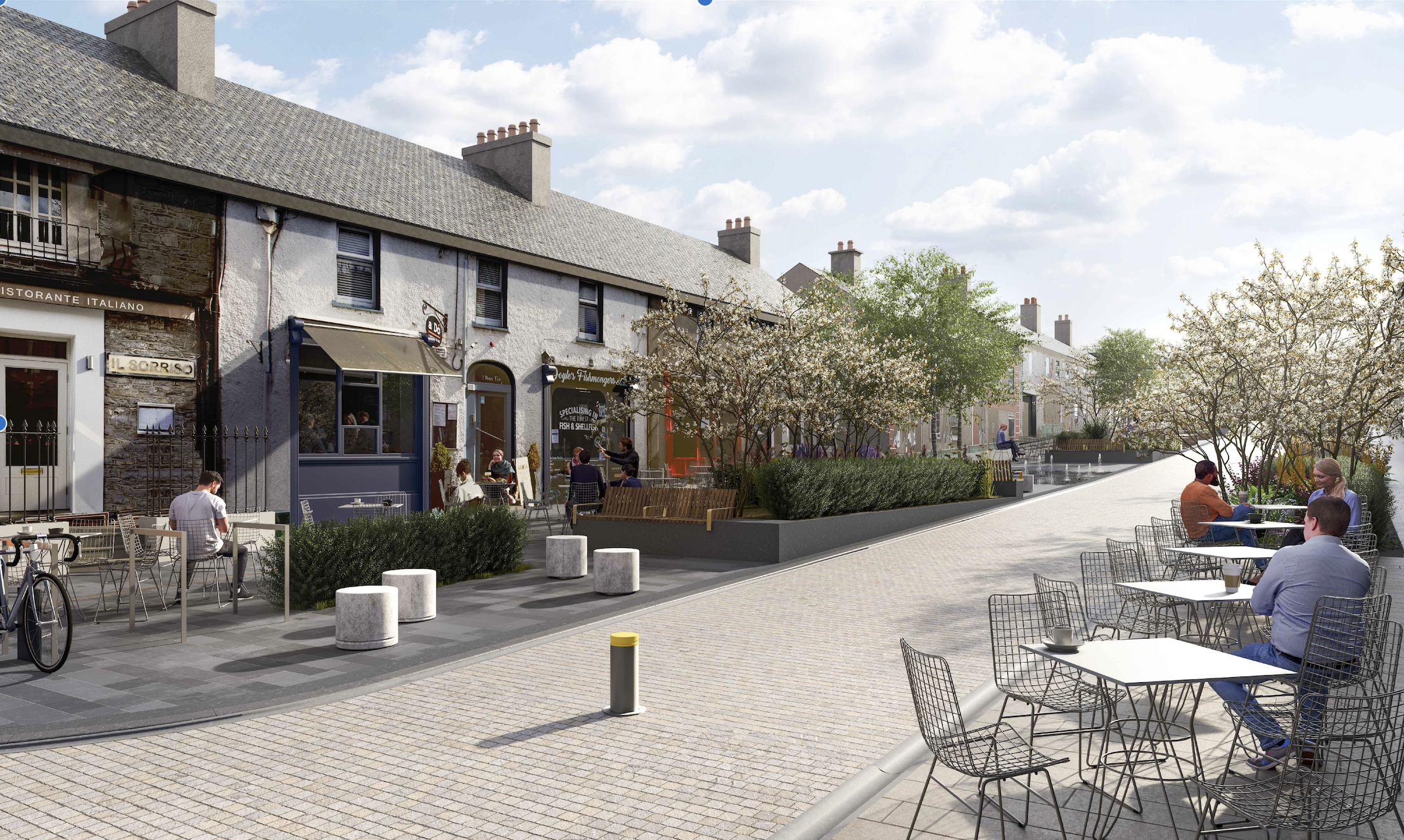
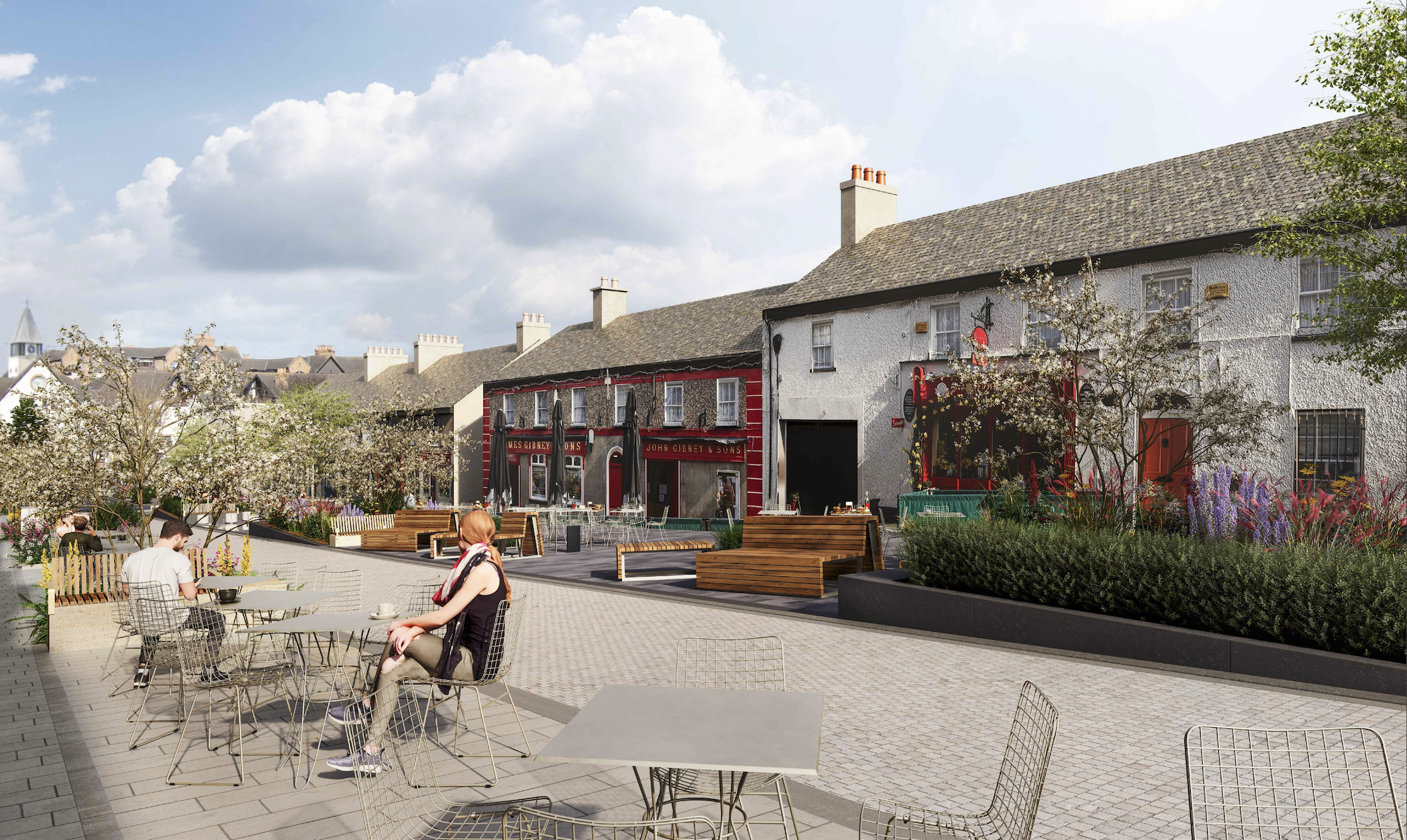
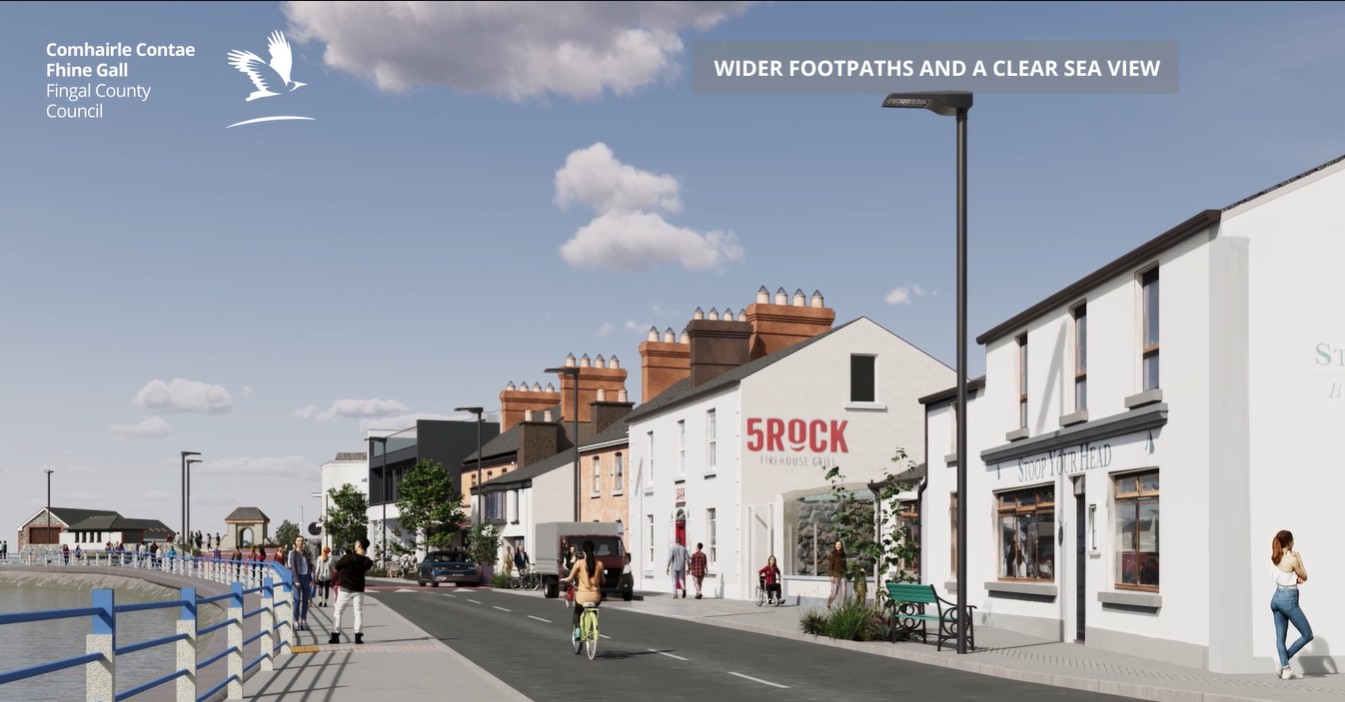
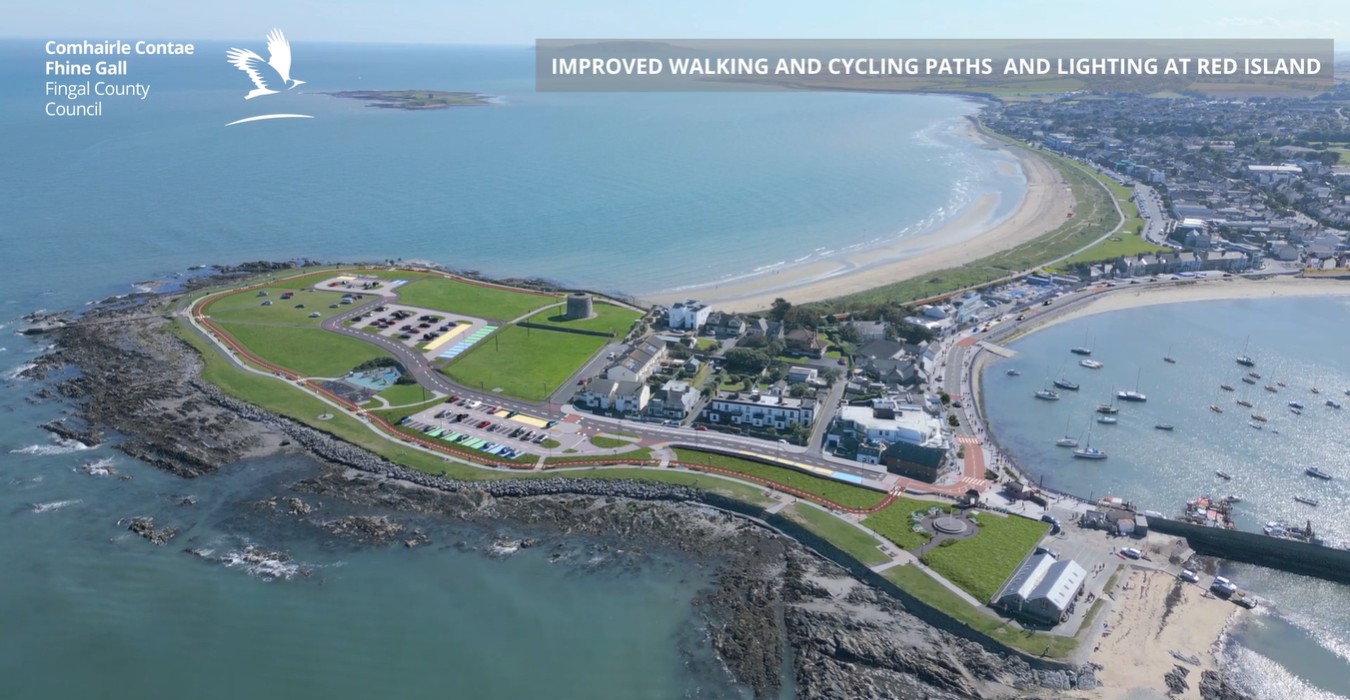
The Towns and Cities Regeneration Investment Fund is the Government’s latest go at fixing streets like that. In September, Minister James Browne announced €409 million for almost 120 projects. This Spring, I wrote three of those applications with two local authorities, and all three were funded, bringing in €18.3 million between them.
I’m proud of that, but the thing I keep coming back to isn’t how to write a good application. It’s who this fund ends up serving, and what that means for the towns that weren’t on the list.
A fund aimed at the hardest problem in Irish towns
Minister Browne launched the fund in March 2026 to replace the Urban Regeneration and Development Fund, which had run since 2018. It targets long-term vacancy, dereliction and decline in town and city centres. At the launch he called it a chance for “many towns and communities who may have felt left behind while other areas have prospered.”
Vacancy is hard to fix because the market won’t do it on its own. Saving a derelict protected building costs more than a private buyer will ever get back, and a street full of empty units makes the next investor nervous, so everyone waits for someone else to move first. Left alone, those streets don’t get better.
The new fund tries to push money towards the places that need it most. Pobal’s HP Deprivation Index shows Ireland improving overall, but the gap between the most disadvantaged areas and the national average has grown. So, projects in those ‘disadvantaged areas’ can now have up to 90% of their costs covered instead of 75%, and more than 30 of this year’s projects are in those areas. The population threshold also came down from 10,000 to 9,000, which lets more towns apply.