The Opportunity Irish Sport Hasn’t Tapped Yet

Hannah McLoughlin, Consultant – Funding

2into3 and Graham-Pelton, one of the US’s leading philanthropic consultancy firms, hosted a webinar titled “Fundraising in the US: A Practical Guide for Irish Sporting Organisations, with James O’Callaghan as a guest speaker from the Irish Sailing Foundation. The most important insight from the session had nothing to do with tax structures or diaspora networks. It came down to one question, and most Irish sporting organisations have never properly answered it; 

“Why should a stranger, thousands of miles away, care about what you do?” 

Sport has shaped how I think and work, it has taught me to compete on the edges of limited resources, which is exactly where most Irish NGBs find themselves. I also know, from the inside, what it feels like when funding doesn’t stretch far enough. That’s partly why this topic matters to me, and why I think Irish sport needs to take it seriously. 

The Irish Sailing Foundation are the pioneers of this model in Ireland. Since 2015 they have raised over €3 million for high-performance sailing, supported more than 300 sailors and brought in €500,000 in 2025 alone – ten years into the work. They operate as a separate philanthropic entity with a voluntary board, independent of Irish Sailing as the NGB. 

The American Philanthropy Market: What You Need to Know    

Americans donated $592 billion in 2024. Philanthropy is not a niche behaviour in the US – it is culturally embedded in a way that has no real equivalent in Ireland. Giving is habitual, expected, and for many Americans an expression of identity rooted in everything from religious tradition to civic pride. 

We are also at the beginning of what is being called the “Great Wealth Transfer” an estimated $124 trillion expected to change hands over the next 20 years as an ageing population passes assets to the next generation, with an estimated $18 trillion of that earmarked for charity. A significant share of that wealth will be inherited by women, and the women’s philanthropy movement in the US is accelerating rapidly. For Irish sporting organisations with any kind of gender equity or women’s sport angle, that is a real and growing opportunity. 

The diaspora connection gives Irish organisations a head start that most international peers simply don’t have. There are millions of Irish-Americans with a genuine emotional connection to Ireland, many of them in exactly the demographic most likely to give. The pipeline exists. The question is whether Irish sport is organised enough, and honest enough with itself to access it. 

 Why Americans Give 

The number one reason Americans give is because they were asked not because they discovered an organisation on their own, or because a grant portal opened, or because they read a press release.  

Someone asked them. Directly, personally, with a clear purpose. 

Most Irish organisations are not doing this. They are waiting for the right connection, the right moment, the right introduction. Meanwhile the ask never comes, and neither does the money. 

Beyond the ask itself, the motivators that drive giving are worth understanding properly: 

  1. Connection to a cause or community. 
  2. Belief in leadership and transparency. 
  3. The desire for recognition. 
  4. Matching gift opportunities, which have been used with remarkable effect in the US.  
  5. Tax efficiency, particularly for larger, more complex gifts. 

 On that last point: the instinct to lead with tax benefits is a mistake. For most donors, tax considerations are not the primary motivator. They matter at scale, and any serious fundraising strategy needs to account for them, but they are not your opening line. If your case for support begins with “and you can claim a deduction,” you have already lost the room. 

What Actually Answers the Question 

Knowing why Americans give is one thing. Giving them a reason to give to you is another. 

This is where most Irish organisations need to do honest internal work before they pick up the phone to anyone in Boston or New York. You need a case for support, a clear, compelling, emotionally resonant answer to the question this piece opened with. Not “we fund high-performance athletes,” but the answer to what happens when a young person from a disadvantaged background gets access to your programme. What changes for them? What does it feel like to watch a training session at your club? If someone came along and you had two minutes to make them care, what would you say? 

Donors give to what they can picture. They respond to impact, not infrastructure. 

Honesty matters here too. If your organisation is facing a funding gap, saying so clearly is more compelling than vague optimism. Most donors do not want to rescue a sinking ship, but they absolutely want to feel that their contribution will make a difference – and there is a real distinction between those two things. 

You also need to be prepared to share your finances. Transparency is increasingly non-negotiable in this space, particularly with younger donors who expect more visibility into where their money goes than has historically been the case. 

What the Tax Structures Actually Look Like 

Any Irish organisation serious about US fundraising will need to understand 501(c)(3) – the US tax-exempt designation that allows donors to claim federal tax deductions on charitable gifts. Without this, or without equivalency, you are asking donors to give without tax benefit, which becomes a meaningful barrier at higher gift levels. 

The practical entry point for most Irish organisations is The Ireland Funds (American Ireland Fund). This is a well-established body that operates through chapters across the US, hosts events targeting high-net-worth Irish-Americans, and provides a tax-efficient giving route for approved Irish organisations. Getting approved through this structure is a realistic and relatively accessible first step. 

It is also worth understanding the broader philanthropic architecture: 

  • Donor Advised Funds (DAFs): philanthropic accounts, typically offered through financial firms, that allow donors to contribute funds, take an immediate tax deduction, and recommend grants to charities over time. There are currently more than $250 billion sitting in DAFs in the US, a large pool of capital actively seeking recipients.  
  • Bequests and planned giving: gifts made through a will. Often completely overlooked by sports organisations but a meaningful driver of total philanthropic income when cultivated over time. 
  • Family foundations: exist in large numbers but come with significant governance complexity – an annual filing, a board, ongoing compliance and are less accessible as a starting point.   
  • Corporations: often vocal about their giving, but not the primary vehicle here. 
  • Individual donors are the backbone of American philanthropy, and they always have been. 


The Myths That Cost Irish Organisations Real Money
 

Events are not a fundraising strategy. A golf outing introduces people to your organisation. It does not build a philanthropic programme. Events are expensive, transactional, and the net return rarely justifies the investment unless they are being used deliberately as cultivation tools within a wider relationship strategy. 

Grants are not philanthropy. Relying on grant income is not the same as building a donor base. Grants are important, but they don’t compound the way relationships do, and they don’t build the long-term income resilience that a genuine philanthropic programme creates. 

Asking is not rude. This is particularly worth saying in an Irish context. There is a deep cultural awkwardness around making a direct financial ask, especially of people we know. The US framing is completely different: asking someone to give is a sign that you respect their capacity and believe they care enough to want to contribute. The reluctance to ask directly is one of the single biggest barriers holding Irish organisations back. 

Not all wealthy people are the most generous. Scale of wealth and scale of giving are not the same thing. Some of the most impactful donors give proportionally more than individuals with far larger means, and the organisations that assume otherwise waste time chasing the wrong prospects. 

Your Case for Support 

If the case for support is so clearly the answer, why do so few organisations actually build one properly? 

James O’Callaghan, a board member of the Irish Sailing Foundation, named the real obstacle: confirmation bias. Most sporting organisations believe, genuinely and not unreasonably, that their cause is worthy. Their athletes work hard, their community impact is real, their programme deserves support. Because they believe that, they assume a donor will see it too. They build their case for support around what they already know to be true from the inside, the training load, the competition calendar, the medal count. 

But a donor in Chicago or Boston is not starting from that place. They are starting from zero. They have no context, no emotional attachment, no reason yet to care. And if your opening is “we are a high-performance sporting organisation that needs more funding,” you have told them nothing that makes them want to reach into their pocket. 

This is the question this entire piece keeps circling back to: why should a stranger, thousands of miles away, care about what you do? Most organisations have never had to answer it, because everyone around them already knows the answer. The moment you step outside that room, the question gets a lot harder – and a lot more necessary. 

Donors give to what they can picture. And the organisations that cannot answer that question clearly, not in a brochure, but in a conversation, with a real person sitting across from them, are not ready to fundraise in the US, regardless of how good their athletes are or how worthy their cause genuinely is. 

 The Long Game Is the Only Game 

None of this is quick. The Irish Sailing Foundation has been at this for ten years. The organisations that do it well start with who they know, invest heavily in cultivation before they ever make an ask, and treat stewardship, how they look after a donor after a gift – as seriously as the ask itself. Handwritten notes still matter. In-person meetings still outperform everything. Matching gift campaigns work. None of it is glamorous, and all of it takes longer than you think. 

You also have to spend money to raise money. That is not a reason to avoid this, it is a reason to be strategic about where you invest. The highest return comes from personal relationship-building, not events and not digital campaigns. 

What This Actually Means for Irish Sport 

Sport Ireland provides partial funding to NGBs for high-performance programmes. It was never designed to cover the full cost, and the gap between what statutory funding provides and what genuine high-performance development requires is real and widening. Philanthropy, approached strategically and with patience, is one of the few credible ways to close it. 

The Irish Sailing Foundation have shown it is possible. The architecture they have built – a separate voluntary entity, tiered giving structures and a long-term relationship programme took a decade to develop and is the product of serious commitment from serious people. 

For any NGB, club, or sporting body thinking about this: the opportunity is real, the diaspora connection is an advantage most international peers would envy, and the expertise to help navigate the structures now exists in Ireland. But the streets are not paved with gold. What they are paved with is relationships, and the willingness to do the hard internal work of understanding why a stranger, thousands of miles away, should care about what you do. 

Most organisations haven’t asked themselves that honestly yet. That’s probably where to start. 


Get in Touch

If your sport has an ambition to secure ongoing philanthropic donations, we welcome the opportunity to discuss how philanthropy could work for your organisation. Get in touch with Dennis O’Connor at dennis@2into3.com to explore this pathway in detail.

Corporate Charity Partnerships: Turning Challenges into Opportunities

If you’ve ever tried to build a corporate partnership, you’ll know it’s not always straightforward. It takes time, patience, and plenty of back-and-forth to find the right fit. But when it works, it can be a real game-changer for your charity — opening doors, raising your profile, and giving you the stability to plan for the future.


Why Corporate Partnerships Matter

Corporate partnerships can offer much more than money. Many companies share skills, encourage staff volunteering, or connect you to networks you might not otherwise reach. There’s a trust factor too — when a well-known company backs your cause, it signals to others that your charity is credible and well-run.

Long-term partnerships are especially valuable. They give you breathing space to plan ahead, grow your work, and make a lasting impact, instead of constantly chasing the next fundraiser. When looking for potential partners, fit matters more than the size of the donation — a company that genuinely shares your values will go further than a high-profile name with no real connection to your mission.


Common Challenges

Most charities encounter a few familiar hurdles when it comes to corporate partnerships. Mismatched expectations are one of the most common — businesses often want quick, visible results, while your charity is focused on long-term, systemic change. Clear and honest communication from the outset goes a long way in bridging that gap.

Capacity is another real challenge, particularly for smaller organisations. Managing a partnership well takes time and consistency — regular check-ins, reporting, and relationship-building all require genuine effort. It’s worth being realistic about what your team can take on before committing.

Mission drift is worth watching out for too. The desire to strengthen a partnership can sometimes pull a charity away from its core purpose. Good governance and transparency protect both your reputation and the trust your supporters have placed in you. Never compromise what you stand for, no matter how attractive the opportunity looks on paper.


Making Partnerships Work

Successful partnerships are built on honesty, shared values, and mutual benefit. Before any conversation, be clear about your charity’s goals and what you can genuinely offer a corporate partner in return. This clarity makes it far easier to identify whether a potential partner is the right fit — rather than spending months finding out the hard way.

Setting expectations early is equally important. Discuss timelines, reporting, and what success looks like for both sides. Treat it as a collaboration, not a transaction. The strongest partnerships are ones where both organisations come away feeling the relationship is worth their investment.

Think creatively about what value the partnership can add beyond a financial contribution. Skills-sharing initiatives, co-branded awareness campaigns, and employee engagement projects can strengthen both sides and deepen the relationship over time. The more value both parties find in the arrangement, the more durable it becomes.

Finally, keep communication consistent. Regular check-ins and small updates prevent misunderstandings from building up and keep both parties aligned. A partnership can drift quietly off course without either side noticing — until it’s too late to course-correct. Transparency and routine contact are what keep it on track.


Final Thoughts

For Irish charities, corporate partnerships aren’t just about funding — they’re an opportunity. Approach them with clarity, care, and confidence, and they can become long-lasting relationships that genuinely make a difference.

If your charity is thinking about building or refreshing its corporate partnerships, feel free to reach out to Denise Cranston at denise.cranston@2into3.com, to talk through how to get started, and what works in practice.

Sports governance as a commercial risk — PwC Global Sports Survey 2026

Governance is the Real Integrity Play

PwC’s latest Global Sports Survey signals a shift: integrity is no longer just the right thing to do — it’s a commercial and reputational imperative. Sheena Horgan explores what that means for sporting bodies.

Beyond Survival: Rethinking Ireland’s Not-for-Profit Sector

Ireland’s community, voluntary and not-for-profit sector has evolved beyond recognition. Is it time to rethink how the sector itself is designed?

Shifting From Operational Focus to Strategic Leadership

Read about how the nonprofit sector can build strategic capacity when it’s structurally designed to operate transactionally.

New Year, New Budget – What About Your Ambition?

As you turn your attention to annual budgets and work plans, it’s worth pausing to ask a bigger question – are you also making space for your ambition?

Building Philanthropy into Your Sport’s Funding Model

Philanthropy has long played a transformative role in sport internationally, enabling investment in athlete development, grassroots participation, and infrastructure that public funding alone cannot sustain. In Ireland, while our community support for sport runs deep, formalised philanthropic giving has been slower to develop. That is now changing. Recent tax incentives are creating the conditions for philanthropy to become a meaningful and sustainable income stream for Irish sport.


Earlier this month marked a significant moment in Irish sport’s pathway to philanthropy. The Irish Sailing Foundation revealed that 2025 saw it support the Irish Sailing Performance Pathway with €500,000 in philanthropic donations – representing 30% of the Pathway’s 2025 budget. The Foundation is now targeting €1 million in 2026, a success that has been a decade in the making. This was followed by the Olympic Federation of Ireland’s launch of the Team Ireland Foundation, with a view to securing philanthropic donations for Los Angeles 2028 and beyond. The Football Association of Ireland also announced the establishment of the Global Ireland Football Foundation, complete with an independent Chair and an experienced Director of Development.


Three sporting bodies. Three foundations. A clear focus on philanthropy.


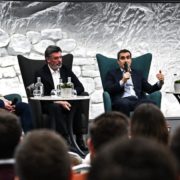
At the Federation of Irish Sport Leaders Forum, 2into3 CEO Dennis O’Connor moderated a panel discussion on ‘Foundations as a Path to Structural Resilience’, exploring the practicalities and learnings from those who have already embarked on this journey.


James O’Callaghan, representing the Irish Sailing Foundation – established ten years ago – was emphatic about the value of independence. “Having a separate entity is best practice,” he explained. An independent entity allows the NGB to focus on its core work while the foundation builds long-term donor relationships. The Foundation initially had private support for specific campaigns, which ended once those campaigns concluded. Recognising this, they invested in a dedicated fundraiser who could nurture ongoing relationships with donors. Through their patron programme – seeking €50,000 per annum over five years – they targeted twelve supporters in year one and secured eight. “Spend the money to hire the right person,” O’Callaghan emphasised. Fundraising requires a particular skillset, and foundation boards are increasingly providing seed funding to invest in this capability, seeing it as essential to achieving returns on their philanthropic ambitions.


Currently, Type B and C NGBs, the Olympic Federation of Ireland, and Paralympics Ireland are already eligible for tax incentives that benefit donors. The Federation of Irish Sport is advocating for sport foundations to also be made eligible – a move that would recognise their role as independent entities that improve governance while unlocking new sources of philanthropic support.


Looking Ahead


With €1.82 billion in fundraised income across the Irish nonprofit sector in 2022, and per capita giving of €354, the philanthropic opportunity for sport is significant. The Giving Ireland 2024 research highlights Ireland’s strong culture of generosity – and the potential to channel more of that giving towards sporting development.


If your sport has an ambition to secure ongoing philanthropic donations, we welcome the opportunity to discuss how philanthropy could work for your organisation. Get in touch with Dennis O’Connor at dennis@2into3.com to explore this pathway in detail.
What Crises Teaches Us About Governance

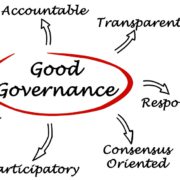
Effective governance is not just a box-ticking exercise.  It is the foundation for trust and, critically, for funding, which ultimately supports long-term success. 

2025 Volunteers in Sport Awards with the Federation of Irish Sport

Ireland Women’s International Footballer, Amber Barrett was on hand to lend her voice to the launch of the 2025 Volunteers in Sport Awards, a national celebration of the extraordinary individuals who contribute to the vibrant fabric of Irish sports.

Hosted by the Federation of Irish Sport and supported by the Sport Ireland National Network of 29 Local Sports Partnerships these prestigious awards recognise the selfless volunteers who dedicate their time, skills, and passion to support sports clubs and community organisations across Ireland.

The 2025 Volunteers in Sport Awards will bring together individuals from all 32 counties to celebrate their commitment to fostering participation and ensuring that sport is accessible to all. Their contributions not only inspire communities but also enable clubs and organisations to thrive, supporting social cohesion and well-being across Ireland. Without their dedication, many sporting opportunities simply would not exist.

A new addition to the 2025 awards is the launch of a brand-new award – the Club/Community Sport Organisation Award. This award recognises a volunteer led sports club, community organisation, or group that has made an outstanding contribution to promoting sport, physical activity, and community well-being. It celebrates excellence in inclusion, participation, leadership, and positive impact through sport.

In every corner of the country, from city centres and suburbs to rural villages, over 460,000 volunteers work tirelessly each week to bring sport and physical activity to life for people of all ages*. Over 250,000 coaches volunteer 1 million hours a week to Irish Sport**. The impact of their work is profound, providing multi-generational opportunities to engage in sport, build communities, and promote healthy lifestyles. The economic value of their contribution is estimated to be worth €1.5bn to the Irish economy***.

There are also two closed categories of Outstanding Achievement Award and the addition of a Lifetime Achievement Award. These prestigious awards are not open for public nomination. Recipients are selected by the Judging Panel from entries received from the County Volunteers, based on outstanding merit, impact, or long-term contribution.

Ambassador for the 2025 Awards Ireland Women’s International Footballer, Amber Barret commented:

“Volunteers are the unsung heroes of sport in Ireland. They are the ones who connect clubs with communities, who help kids to chase their dreams and fulfil their potential, who bring joy to families and who make a lasting difference in people’s lives. It’s fantastic to have these Awards to recognise those who make such a positive impact as Irish sport simply would not be the same without our volunteers.

Mary O’Connor CEO Federation of Irish Sport said:

“The goodwill and work of volunteers cannot be taken for granted. These awards are our chance to say thank you and in acknowledging the incredible efforts volunteers make, ensure that we continue to encourage more people to get involved and safeguard the future of sport in the country”


A National Network of Support

Supporting the awards is the National Network of 29 Local Sports Partnerships. Dún Laoghaire – Rathdown Sports Partnership Coordinator, Shane McArdle, remarked:

This is the third year that the National Network of 29 Local Sports Partnerships have come together to enthusiastically support the Federation of Irish Sports in hosting these important awards. In our work to promote participation all across the country, we see the immense value of volunteers in every club and across every sport. These awards provide a great opportunity for these clubs to recognise and celebrate these volunteers who make a difference in so many people’s lives. We encourage all clubs to nominate their invaluable champions.

Nomination Process

Nominations for the 2025 Volunteers in Sport Awards are open from Tuesday, 11th November 2025, until Monday, 15th December 2025. Members of the public are encouraged to nominate deserving volunteers from their club or sporting organisation who have made a significant contribution or impact to their local club or community.


For more information and to submit a nomination, visit www.volunteersinsport.ie  or for further queries contact Clare Louise O’Donoghue, Head of Commercial & Marketing, Federation of Irish Sport:

Mobile: 086 0437887,  Email: clarelouise.odonoghue@irishsport.ie


*Sport Ireland – Irish Sports Monitor 2023
** Sport Ireland – Spotlight on Coaching Report 2024
*** Sport Ireland – Economic Value of Sport Report 2021

Philanthropy as a Catalyst for Inclusion in Sports

Importance of diversifying income streams for NGBs to ensure long-term sustainability and greater inclusion.

Secret Link