
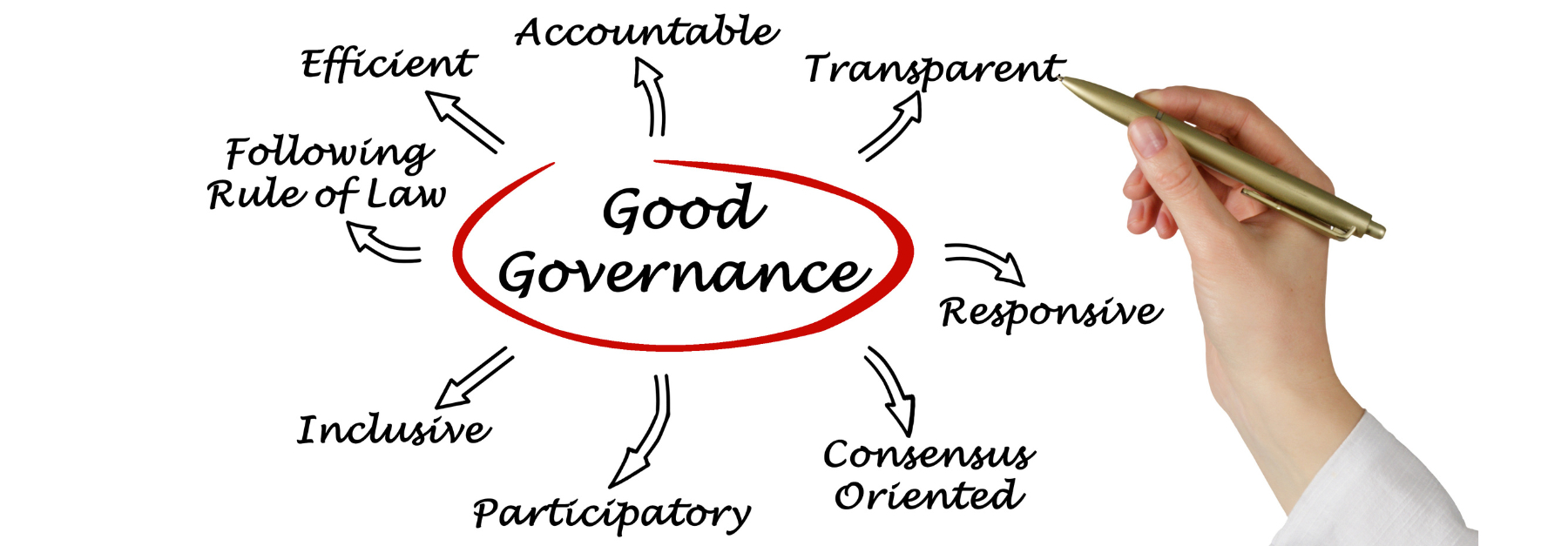
Governance is the Real Integrity Play
By Sheena Horgan, COO and Principal – Advisory
PWC’s ninth Global Sports Survey has a lot to say about growth, women’s sport and the future of the stadium experience, but also tucked into the integrity chapter is a finding every nonprofit sporting body should note: three in four executives now see integrity breaches as one of the biggest commercial risks facing sport.
That arguably signifies an important shift, because integrity and governance were previously filed under “the right thing to do” aka a compliance box to be ticked and shelved. But PwC’s new data suggests the industry is starting to view governance differently – as a risk to not just reputation, but to revenue, sponsorship, and long-term viability.
Whilst Executives ranked match-fixing (71%) and doping (49%) as the biggest threats to sporting integrity, weak governance sits further down the list at 26%. But the report is clear about why that ranking is misleading. Governance is the foundation underneath everything else and clear responsibilities, robust controls and independent oversight are what stop manipulation and misconduct from taking root in the first place.
In other words, doping and match-fixing etc. are the symptoms, the problem or conversely the solution, is governance.
Executives in the survey were clear on what that looks like: clear rules, defined processes and whistleblower protections (52%), education and training (47%), and transparent governance and independent oversight close behind. Crucially, no single lever does the job. Good governance is a system, built deliberately and sustained over time.
Nonprofit sports organisations’ value proposition rests on trust, and once broken, the resulting damage compounds fast. Grant funding gets harder to secure. Sponsors get nervous. Volunteers walk. The next generation of members doesn’t sign up.
AlexMcLin, who leads FIFA Foundation’s independent Safe Football Support Unit, puts his finger on the real obstacle in the report: integrity work is easy to underfund because its payoff is invisible until the moment it isn’t. Nobody gets credit for the scandal that didn’t happen. Which is why governance resources often lose out to the more visible, more fundable priorities – a new pitch, a coaching programme, a marketing push.
The real value of good governance, is not paperwork that appeases the funder, but rather is the infrastructure that makes everything else – funding applications, sponsorship deals, political and member confidence – possible in the first place. NGBs or clubs with clear roles, transparent financial controls, an active board, and real channels for people to raise concerns isn’t just protecting itself from the next scandal. It’s building the credibility that unlocks capital, attracts sponsors, and keeps members and volunteers in the fold.
Integrity and governance are much more than a regulatory requirement. They are a growth strategy, and play a fundamental role for which there is no substitute.
Get in touch
If you’d like to explore what stronger governance could look like for your organisation, our Advisory team has worked with sporting bodies across Ireland to do exactly that. For a practical starting point, read our earlier piece: Raising the Game: Why Governance Matters in Sport. Or get in touch directly with Sheena Horgan.